Winterizing your Dallas home means sealing air leaks, improving insulation, and maintaining your HVAC system before cold snaps arrive. These steps help reduce energy bills, prevent damage like frozen pipes, and keep your home consistently comfortable during unpredictable North Texas winters.
Knowing how to winterize your Dallas home is essential for staying comfortable and avoiding high energy bills during sudden temperature drops. While Dallas winters are often mild, cold fronts can arrive quickly and push temperatures below freezing overnight.
Without preparation, these rapid shifts can lead to heat loss, inefficient HVAC performance, and even damage to your home. Taking a proactive approach ensures your home stays warm, efficient, and protected throughout the season.
How Do You Winterize a Home in Dallas?
You winterize a Dallas home by sealing air leaks, upgrading insulation, maintaining your heating system, and protecting vulnerable areas like pipes and exterior openings.
These steps create a thermal barrier that keeps warm air inside and cold air out. According to the U.S. Department of Energy, sealing and insulating your home can significantly reduce heating and cooling costs while improving overall comfort.
Seal Windows and Doors to Prevent Heat Loss
Sealing drafts is one of the most effective ways to improve energy efficiency in your home. Even small gaps around windows and doors allow warm air to escape and cold air to enter.
Use caulk for cracks and weather stripping for moving parts like doors and windows. Addressing these leaks early reduces strain on your heating system and improves indoor comfort.
For long-term results, many homeowners rely on professional weather sealing services to ensure every gap is properly addressed.
Upgrade Insulation for Better Energy Efficiency
Proper insulation helps retain heat and maintain consistent indoor temperatures throughout your home.
Start with the attic, where heat loss is most common. Adding insulation here prevents warm air from escaping and reduces heating costs. Walls, floors, and crawl spaces can also benefit from improved insulation.
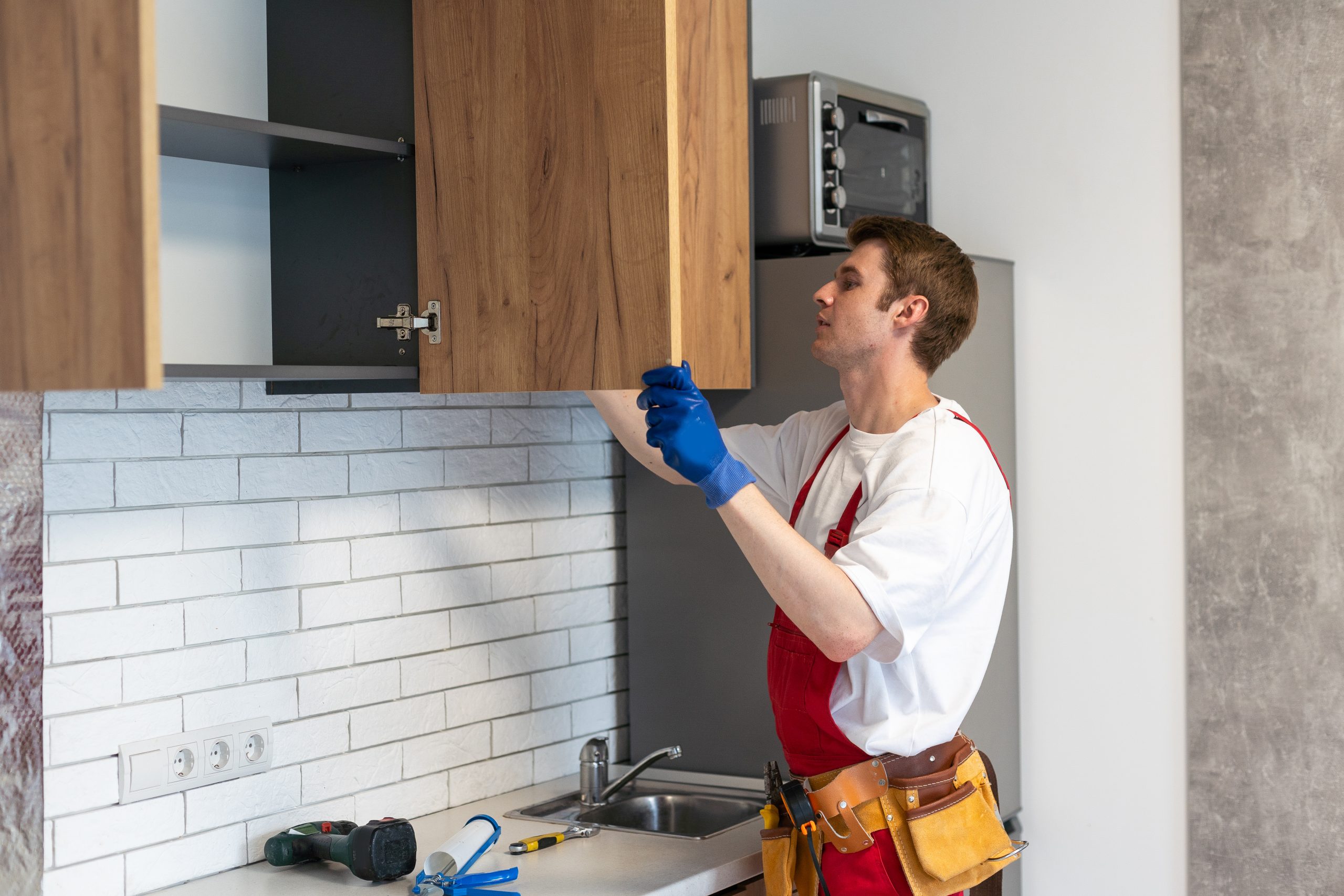
Ensuring easy attic access through solutions like attic ladder installation can make inspections and maintenance much easier.
Prepare Your HVAC System for Cold Weather
Your heating system is the backbone of winter comfort, so it needs to be ready before temperatures drop.
Schedule a seasonal tune-up to inspect components, clean filters, and ensure safe operation. Dirty filters and blocked vents can reduce airflow and increase energy costs.
Regular service through maintenance professionals helps extend system lifespan and ensures consistent performance.
What Are the Most Common Winterization Mistakes?
The most common mistakes include ignoring small air leaks, skipping HVAC maintenance, and overlooking insulation gaps.
Many homeowners underestimate how much energy is lost through minor openings. Others delay maintenance until problems arise, leading to higher repair costs and reduced comfort.
Addressing these issues early ensures your home remains efficient and comfortable throughout the season.
Inspect Doors, Walls, and Structural Weak Points
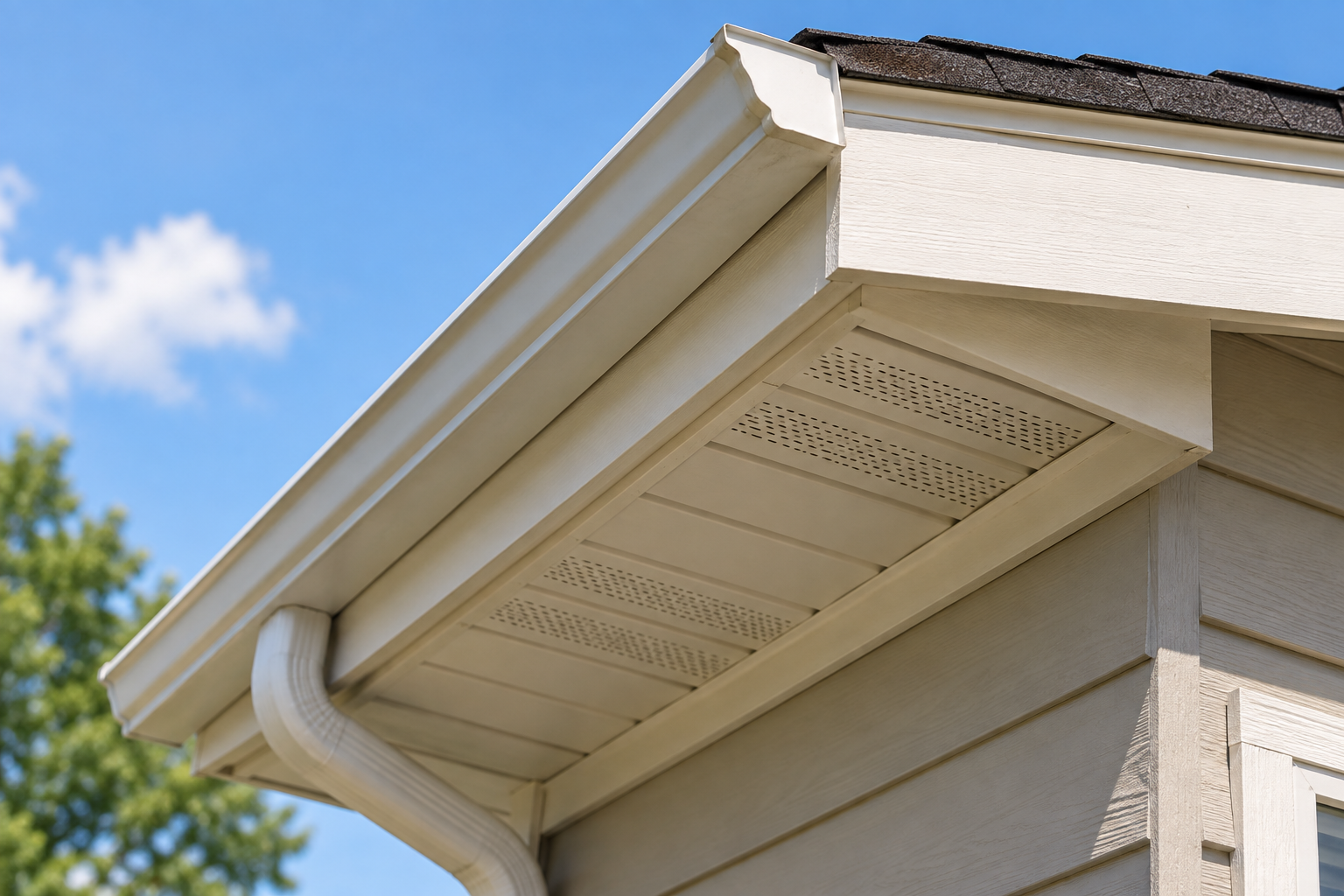
Heat loss can also occur through structural gaps in doors, drywall, and soffits.
Repairing worn seals and cracks ensures your home remains airtight. Addressing these issues with services like door repair improves both comfort and efficiency.
Small repairs can make a big difference in maintaining indoor warmth and reducing heating costs.
Local Considerations for Dallas and North Texas Homes
Homes across Dallas, Plano, Frisco, and Arlington experience unique winter challenges due to rapid temperature swings and occasional freeze events.
North Texas homes often face sudden cold fronts that strain heating systems and expose weak points in insulation. Preparing for these conditions helps prevent energy waste and unexpected repairs.
Working with experienced professionals familiar with local conditions ensures your home is ready for everything from mild winters to unexpected freezes.
FAQ: Winterizing Your Dallas Home
When should I winterize my home in Dallas?
What is the most important step in winterizing a home?
How can I lower heating bills in winter?
Do Dallas homes really need winterization?
Stay Warm and Save Energy This Winter
Winterizing your Dallas home is one of the smartest ways to improve comfort, reduce energy bills, and protect your property from unexpected weather. Even small upgrades—like sealing gaps or improving insulation—can deliver noticeable results.
By taking action before temperatures drop, you create a home that stays warm, efficient, and ready for anything winter brings. Partnering with experienced professionals ensures every step is done correctly and provides long-term value.