Dallas homeowners face intense summer heat, sudden storms, and shifting seasonal temperatures. Following a seasonal home maintenance checklist Dallas homeowners rely on helps prevent costly damage, improve energy efficiency, and keep homes comfortable year-round. Regular inspections of HVAC systems, gutters, insulation, and weatherproofing ensure your property stays protected year-round.
A well-organized seasonal home maintenance checklist Dallas homeowners can follow is essential for protecting homes from North Texas weather. Dallas experiences long, hot summers, occasional winter freezes, powerful spring storms, and sudden temperature swings. Without routine inspections and preventative care, these seasonal stresses can quickly lead to higher repair costs, reduced energy efficiency, and unexpected breakdowns.
By breaking maintenance tasks into seasonal routines, homeowners can keep their properties running smoothly while avoiding emergency repairs. Simple checks such as sealing doors, inspecting attic insulation, cleaning gutters, and servicing HVAC systems help extend the lifespan of major home systems. According to the U.S. Department of Energy, proper weather sealing and insulation can significantly reduce heating and cooling energy loss.
Many homeowners also rely on trusted professionals for regular upkeep. Scheduling inspections through home maintenance Dallas services helps ensure repairs are completed properly while saving homeowners time and stress. With a clear seasonal plan, maintaining a Dallas home becomes manageable and predictable.
Why Dallas Homes Need a Seasonal Maintenance Checklist
Dallas homes experience more environmental stress than homes in many other regions. The combination of intense sun exposure, sudden storms, clay soil movement, and temperature fluctuations places strain on roofing materials, foundations, and HVAC systems. Without routine inspections, small issues like loose shingles or worn weather seals can escalate into expensive repairs.
A seasonal checklist helps homeowners monitor key systems before problems grow. Dividing maintenance into manageable seasonal tasks makes upkeep easier and ensures no area of the home is neglected. Instead of reacting to emergencies, homeowners can stay proactive and protect their property value.
Keeping a simple seasonal checklist on your phone or calendar helps you track inspections throughout the year. Scheduling small maintenance tasks quarterly prevents major system failures and costly repairs later.
Spring Home Maintenance Checklist for Dallas Homes
Dallas homeowners should use spring as an opportunity to inspect their homes after winter and prepare for heavy rainstorms. Spring maintenance focuses on cleaning, inspecting exterior components, and addressing small repairs before the summer heat arrives.
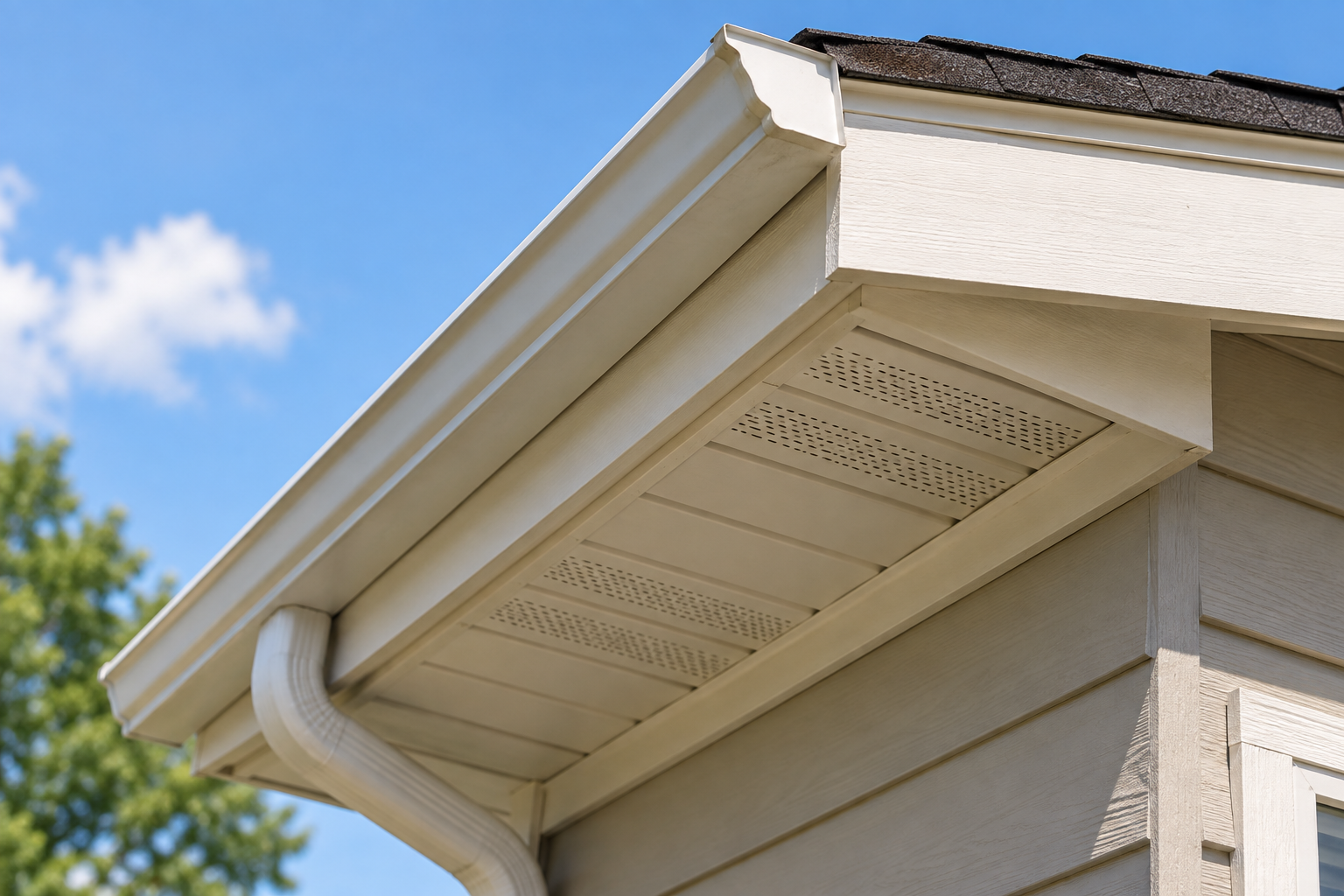
Start by examining the roof and gutter system. Debris from winter storms can clog gutters and prevent proper drainage. Clearing leaves and inspecting roofline components such as fascia and soffit systems helps prevent water damage during spring rainfall.
Spring is also a good time to inspect exterior walls, siding, and drywall for cracks or moisture damage. Interior walls may show signs of seasonal expansion or humidity changes. Addressing minor repairs early prevents structural issues later.
- Clean gutters and inspect soffits
- Check roof shingles for storm damage
- Inspect attic insulation and ventilation
- Repair minor drywall cracks or interior damage
- Trim tree branches near roofing and gutters
Summer Home Maintenance Checklist Dallas Homeowners Should Follow
Dallas summers bring extreme heat that can push home cooling systems to their limits. Preparing your home before temperatures peak helps maintain comfort while reducing energy costs.
The first step is servicing your air conditioning system. Replace filters, clean vents, and inspect airflow throughout the home. When cooling systems operate efficiently, homeowners can significantly reduce monthly energy expenses.
Sealing air leaks around doors and windows also improves cooling efficiency. Damaged frames or loose seals allow hot outdoor air to enter while cooled air escapes. Professional door repair and sealing ensures these openings remain airtight.
Attic insulation plays a major role in regulating indoor temperature. Gaps around attic access points can allow heat to accumulate, forcing the air conditioning system to work harder. Inspecting attic access and scheduling attic ladder installation or repair can improve insulation performance.
Ignoring HVAC maintenance before peak summer heat can lead to sudden system failures. Dallas heat waves frequently push cooling systems beyond their limits, making preventative maintenance essential.
Fall Home Maintenance Checklist for Dallas Weather Changes
Fall provides the perfect window for preparing your home before cooler temperatures arrive. Dallas winters may be mild compared to northern states, but occasional cold fronts can still strain heating systems and expose weak insulation.
Start by inspecting heating equipment and replacing HVAC filters. Clean vents and test thermostats to ensure the system responds properly when temperatures drop. Removing debris around outdoor HVAC units also improves airflow and system efficiency.
Fall is also the best time to seal windows and exterior gaps that may allow cold air into the home. Tight weather seals help reduce heating costs while keeping indoor temperatures stable.
Homeowners often use this season to address repairs or upgrades that may have been delayed during the summer months. Completing these projects early ensures the home is ready for colder nights.
Winter Maintenance Tips for Dallas Homes
Winter maintenance focuses on protecting homes from occasional freezes and ensuring indoor comfort during colder months. Even though Dallas winters are relatively mild, sudden cold snaps can still damage plumbing and reduce energy efficiency.
Inspect insulation in attics and crawl spaces to confirm full coverage. Proper insulation prevents heat loss and protects pipes from freezing temperatures. Checking weather seals around doors and windows also prevents drafts that force heating systems to work harder.
Winter is also a good time to review smoke detectors, carbon monoxide alarms, and emergency systems inside the home. Ensuring these devices function properly adds another layer of household safety.
Local Authority: Dallas Home Maintenance Experts
Maintaining a home in North Texas requires knowledge of local weather patterns and construction challenges. Professional maintenance providers serving Dallas understand the region’s climate conditions and how they affect roofing, insulation, and structural materials.
Homeowners throughout Dallas County—including neighborhoods in Plano, Richardson, Garland, Irving, Carrollton, and Addison—often rely on experienced professionals to keep their homes in peak condition. Scheduling inspections through trusted Dallas maintenance professionals helps ensure seasonal repairs are handled efficiently and correctly.
Local expertise makes a difference when dealing with intense heat, hail storms, and shifting soil conditions common across the Dallas–Fort Worth region.
Frequently Asked Questions About Seasonal Home Maintenance in Dallas
How often should Dallas homeowners perform seasonal home maintenance?
Why is HVAC maintenance especially important in Dallas?
What are the most common seasonal home maintenance problems in Dallas?
Should homeowners hire professionals for seasonal maintenance?
Conclusion
Maintaining a home in Dallas requires consistent care throughout the year. Seasonal weather changes—from intense summer heat to sudden spring storms—place constant pressure on roofing, insulation, HVAC systems, and structural materials.
Following a clear seasonal home maintenance checklist Dallas homeowners can rely on helps prevent unexpected repairs and extends the life of key home systems. Regular inspections, timely repairs, and preventative maintenance protect both comfort and property value.
By staying proactive and addressing seasonal challenges early, Dallas homeowners can keep their homes efficient, safe, and prepared for whatever weather North Texas brings.