Key Takeaway: Wood rot repair in Dallas starts with moisture control, early detection, and professional repair methods that stop decay before it spreads into door frames, window frames, trim, and structural wood. Regular inspections, sealed joints, clear gutters, and prompt repairs help protect your home through North Texas heat, humidity, and storm cycles.
Wood rot repair Dallas homeowners can trust begins with understanding why rot happens in the first place. In North Texas, exterior wood takes a beating from intense sun, sudden storms, heavy humidity, and wind-driven rain. When water finds its way into small cracks, gaps, exposed end grain, or poorly sealed trim, fungal decay can begin to break down the wood.
Door frames, window sills, lower jambs, brick mold, fascia ends, and exterior trim are especially vulnerable because they often collect water or dry slowly after storms. What starts as peeling paint or a soft corner can quickly become a larger repair if moisture keeps feeding the problem.
This guide explains how to spot early warning signs, what causes wood rot around Dallas homes, when to call a professional, and how smart maintenance can help keep your exterior wood strong, sealed, and protected.
Quick Facts About Wood Rot in Dallas Homes
Moisture is the main trigger. Wood rot needs moisture to spread, which makes leaky caulk, clogged gutters, and poor flashing major risk factors.
Dallas weather can speed up damage. Heat, humidity, and storm runoff can push water into vulnerable exterior wood faster than many homeowners expect.
Door and window frames are common trouble spots. Lower jambs, thresholds, sills, and trim corners often show the first signs of decay.
Early repair saves money. Small patches, sealing, and trim repairs are usually less disruptive than replacing full frames or correcting hidden structural damage.
What Causes Wood Rot in Dallas Homes?
Wood rot in Dallas homes is usually caused by moisture entering exterior wood and allowing decay fungi to break down the fibers.
In most cases, the problem does not start with one dramatic leak. It starts with small openings that let water in again and again. A cracked caulk line, failed paint edge, clogged gutter, or poorly sloped sill can hold enough moisture to create the right conditions for rot.
Common causes include:
- Cracked or missing caulk around windows and doors
- Peeling paint that exposes raw wood
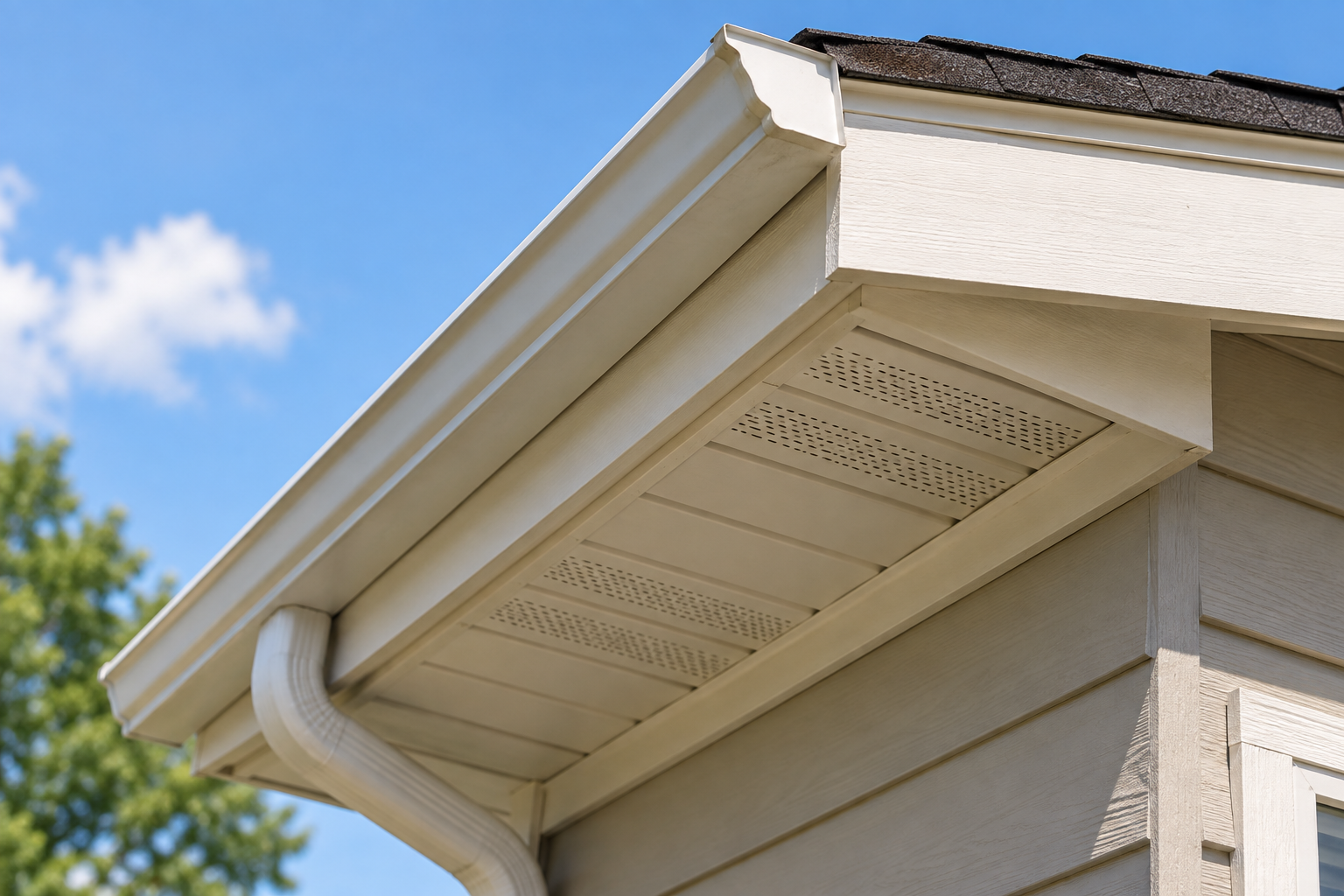
- Clogged gutters overflowing onto siding and trim
- Improper flashing above doors or windows
- Soil or landscaping sitting too close to exterior trim
- Air conditioner drainage dripping onto wood surfaces
- Unsealed end grain on replacement boards or trim
According to the EPA’s mold and moisture guidance, controlling moisture is one of the most important ways to prevent mold and moisture-related building problems. The same principle applies to wood rot: if you control water intrusion, you reduce the fuel that allows decay to spread.
Homeowner Insight: In many Dallas homes, the first visible sign of wood rot appears at the lower corners of windows or door frames. These areas catch runoff, absorb splashback, and often stay damp longer than surrounding trim.
How Can You Tell If Door or Window Frames Have Wood Rot?
You can often identify wood rot by looking for soft wood, peeling paint, discoloration, swelling, musty odors, or trim that feels spongy when pressed.
A simple visual inspection can reveal early warning signs before the damage becomes severe. Walk around your home after heavy rain and check areas where water naturally collects. Pay close attention to window sills, lower door jambs, thresholds, and trim near gutters or downspouts.
Common warning signs include:
- Paint that bubbles, flakes, or peels away from the wood
- Dark staining around corners, seams, or nail holes
- Wood that feels soft, crumbly, or spongy
- Swollen trim or warped boards
- Musty odors near windows or exterior doors
- Gaps opening around caulk lines or miter joints
- Visible cracks where water can enter
You can gently probe a suspicious area with a small screwdriver. If the tool sinks in easily or the wood flakes apart, the area may already be decayed. Do not force the tool deeply into the frame, especially around doors or windows that may be supporting hardware or weather protection.
Safety Note: If wood rot appears around structural framing, large door openings, second-story windows, or areas with possible mold growth, avoid cutting into the material yourself. A professional inspection can determine whether the damage is cosmetic, structural, or connected to a larger moisture problem.
Why Professional Wood Rot Repair Dallas Services Matter
Professional wood rot repair Dallas services matter because they address both the visible damage and the moisture source that caused it.
A quick patch may make rotted trim look better for a short time, but it will not solve the problem if water is still entering behind the surface. Skilled repair teams inspect the surrounding area, identify moisture pathways, remove decayed wood, and rebuild the damaged section with materials and methods designed to last.
Professional repair may include:
- Moisture testing around the damaged area
- Removal of all soft or decayed wood fibers
- Drying the repair area before rebuilding
- Using consolidants or epoxy where appropriate
- Splicing in solid replacement wood for deeper damage
- Priming, sealing, caulking, and painting exposed surfaces
- Checking flashing, drip caps, and weep paths
For door openings, professional repair is especially important because the frame must support hardware, weatherstripping, locks, and daily use. If the lower jamb or threshold has rotted, the repair may need to include sill pan improvements, stronger backing, or adjustments that help stop wind-driven rain from entering again. Homeowners dealing with sticking doors, soft jambs, or damaged trim can explore professional door repair practices to better understand how these issues are typically handled.
Can Preventative Maintenance Stop Wood Rot From Coming Back?
Preventative maintenance can greatly reduce the chance of wood rot returning by keeping water away from vulnerable exterior wood.
The most effective prevention plan is simple: inspect, clean, seal, and repair small failures before moisture has time to spread. Dallas homeowners should make exterior checks part of their seasonal routine, especially after spring storms and during hot, humid months.
Maintenance Tip: Check exterior caulk, paint, gutters, and window sills at least twice a year. A small caulk touch-up or paint repair can prevent water from entering exposed wood and turning into a larger rot issue.
Important prevention steps include:
- Keep gutters and downspouts clear of leaves and debris
- Direct water several feet away from the foundation
- Maintain soil slope away from the home
- Replace cracked or missing caulk around windows and doors
- Touch up peeling paint before raw wood is exposed
- Prime all sides of replacement wood, especially end grain
- Keep weep holes clear so trapped water can drain
- Inspect thresholds and lower jambs after major storms
Many homeowners include these checks as part of routine seasonal exterior maintenance. The goal is not to make your home maintenance-heavy. It is to catch small moisture failures while they are still easy to correct.
What Is the Difference Between DIY Patching and Professional Repair?
DIY patching may work for very small surface imperfections, but professional repair is best when the wood is soft, spreading, structural, or connected to recurring moisture.
A homeowner may be able to handle minor paint touch-ups, caulk replacement, and simple exterior cleaning. However, rotted wood repair often requires more than filling a hole. If decayed fibers remain inside the frame, the rot can continue beneath the surface. If flashing is wrong or the sill is trapping water, the same spot may fail again.
Professional repair is usually the better choice when:
- The wood crumbles or feels soft below the surface
- The damage is near locks, hinges, or structural framing
- The same area has been patched before
- Water is entering behind siding, trim, or frames
- You see mold-like staining or smell mustiness indoors
- The repair requires matching custom trim profiles
For window areas, professional service can help preserve the frame shape, protect the surrounding wall system, and restore a clean finish. When installation issues are part of the problem, proper flashing and sealing details matter just as much as the visible repair. This is why well-executed door installation methods and window detailing are so important for long-term moisture protection.
How Much Does Wood Rot Repair Usually Involve?
Wood rot repair can range from a small trim patch to a larger rebuild depending on the size, depth, location, and cause of the damage.
Minor surface rot may only require removal of softened material, drying, consolidating, filling, sanding, priming, and painting. Moderate damage may involve replacing sections of trim, brick mold, sills, or lower jambs. More serious rot may require opening the area to inspect framing, sheathing, or subfloor components.
The scope often depends on:
- How long moisture has been present
- Whether the rot is cosmetic or structural
- Whether surrounding framing is affected
- How complex the trim profile is
- Whether flashing or drainage corrections are needed
- How much priming, sealing, and painting is required
The best repair is not always the fastest patch. It is the one that removes decay, corrects the water source, restores the surface, and helps prevent the same failure from returning.
Local Authority: Wood Rot Challenges Across Dallas and North Texas
Homes across Dallas and the surrounding North Texas area face a unique mix of moisture and heat. Neighborhoods and communities such as Lakewood, Preston Hollow, Oak Cliff, Highland Park, University Park, Plano, Richardson, Irving, Garland, Mesquite, Carrollton, Frisco, and surrounding DFW suburbs can all experience exterior wood stress from storm runoff, humidity, and intense sun exposure.
Older homes may have original wood trim, aging paint layers, or previous repairs that no longer seal properly. Newer homes can still develop problems when flashing, caulking, or drainage details are not installed correctly. Across the region, the most reliable approach is the same: inspect vulnerable areas, control moisture, and schedule timely professional exterior repair when damage appears.
Frequently Asked Questions About Wood Rot Repair in Dallas
Why is wood rot common in Dallas homes?
Wood rot is common in Dallas homes because heat, humidity, and storm-driven rain can push moisture into exterior trim, door frames, and window frames. When wood stays damp, fungal decay can begin and gradually weaken the material.
How do I know if my window frame has wood rot?
Signs of window frame wood rot include soft wood, peeling paint, dark staining, swelling, musty odors, and trim that crumbles when gently probed. Lower corners and sills are common places for rot to appear first.
Can wood rot spread to structural framing?
Yes, wood rot can spread beyond trim and into structural framing if moisture continues to enter the area. Prompt inspection and repair help prevent deeper damage to studs, subfloors, headers, and surrounding wall components.
Can I repair rotted wood myself?
Small surface issues may be manageable with basic maintenance, but soft, spreading, or structural rot should be handled by a professional. Professional repair helps remove all decayed material and correct the moisture source.
How can I prevent wood rot from coming back?
You can help prevent wood rot by keeping gutters clean, sealing gaps, repainting exposed wood, maintaining proper drainage, clearing weep holes, and inspecting door and window frames after major storms.
When should I schedule wood rot repair in Dallas?
You should schedule wood rot repair as soon as you notice soft wood, peeling paint, dark stains, musty smells, or gaps around exterior trim. Early repair can keep the damage smaller and less costly.
Protect Your Dallas Home Before Small Rot Becomes Big Damage
Wood rot is easier to manage when it is found early. A soft window sill, cracked caulk joint, or peeling paint edge may seem minor, but those small openings can allow moisture to reach deeper parts of your home’s exterior. Over time, that moisture can weaken frames, damage trim, and create costly repair needs.
The best defense is a consistent plan. Inspect your doors and windows after storms. Keep gutters clean. Touch up paint before bare wood is exposed. Repair failed caulk quickly. When decay is already present, work with a professional who can remove the damaged material, identify the source of moisture, and restore the area correctly.
With the right maintenance habits and timely wood rot repair, Dallas homeowners can protect curb appeal, preserve exterior strength, and help their doors and windows stand up to North Texas weather for years to come.